
Review
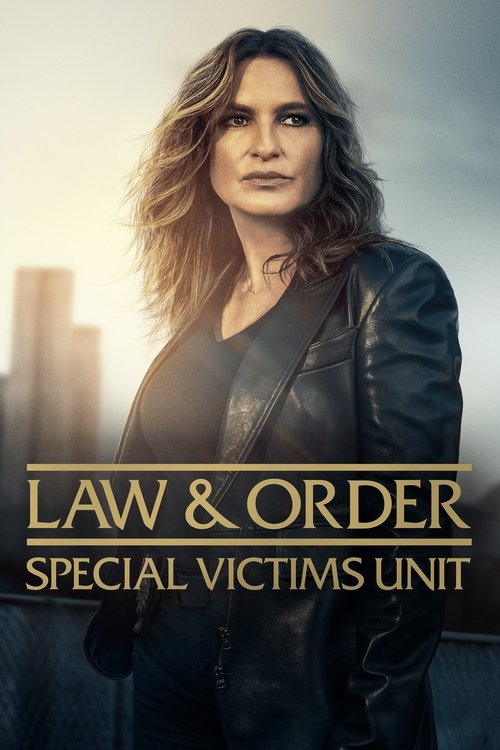
Law & Order: Special Victims Unit
A Procedural That Refuses to Look Away
When Law & Order: Special Victims Unit premiered in 1999, the network television landscape was dominated by feel-good sitcoms and sanitized dramas. SVU arrived as something different—a procedural willing to confront the darkest crimes with unflinching seriousness. More than two decades later, the show remains a cultural fixture, not through spectacle or gimmickry, but through a fundamental commitment to treating trauma with gravity and its survivors with dignity.
The premise is deceptively straightforward. Each episode follows detectives in New York City’s Special Victims Unit as they investigate sexually-based offenses. The formula allows for variation—cases span assault, exploitation, trafficking, abuse within institutions—but the backbone remains consistent: investigation, interrogation, arrest, and often a courtroom resolution. Yet in that consistency lies the show’s power. By confining itself to one category of crime, SVU creates space for nuance that broader procedurals cannot achieve.
Story as a Vehicle for Complexity
SVU’s scripts refuse simplicity. Cases are presented not as puzzles with clean solutions, but as moral tangles. A detective might sympathize with a suspect while remaining convinced of their guilt. A victim might complicate the investigation through their own choices or trauma responses. Perpetrators are occasionally shown as products of their circumstances without being excused. This moral ambiguity doesn’t paralyze the show—it energizes it. The writers understand that the criminal justice system is neither perfectly just nor hopelessly corrupt, and this nuanced perspective prevents the series from sliding into either cynicism or naiveté.
What distinguishes SVU from other crime procedurals is its willingness to sit with discomfort. An episode about child abuse doesn’t resolve neatly. A case involving institutional cover-up doesn’t always end with accountability. The show trusts its audience to tolerate uncertainty and to recognize that real justice is often incomplete or ambiguous. This is challenging television, not in the way that prestige dramas demand emotional devastation, but in the way it asks viewers to think clearly about difficult subjects.
Performances That Ground the Formula
The consistency of the cast has become one of SVU’s defining features. Mariska Hargitay, in the lead role of Detective Olivia Benson, carries the emotional weight of the series with remarkable restraint. Benson is a character shaped by trauma and compassion—a combination that could easily tip into melodrama. Hargitay navigates this with precision, allowing vulnerability to emerge without overwhelming the character’s professional competence. Over years of portraying this detective, she’s created a fully realized woman: someone who cares deeply but doesn’t let that caring compromise her judgment.
Ice-T, cast against type in his role as Detective Fin Tutuola, brings credibility to the procedural’s street-level perspective. His presence signals that the show takes its subject matter seriously—that this isn’t sanitized network television performing criminology for entertainment. The dynamic between Tutuola and Benson works because both actors understand their characters’ different approaches to the same work. Kelli Giddish and Peter Scanavino, as detectives Rollins and Carisi respectively, continue this legacy, each bringing distinct personalities to the investigative team without redundancy.
The supporting cast of prosecutors and department brass appear with enough consistency that they feel like real colleagues rather than guest stars. This ensemble approach means that no single performance carries the entire episode, which distributes the emotional labor and prevents burnout—both for the characters and, by extension, for viewers.
Craft in Service of Subject Matter
SVU’s visual language is deliberately restrained. There are no stylistic flourishes, no excessive dissolves or dramatic music stings. The cinematography privileges clarity and accessibility. This aesthetic choice reflects a curatorial decision: the subject matter is disturbing enough without artificial amplification. The show trusts that the stories themselves will engage viewers.
The interrogation scenes—a procedural staple—are where SVU’s craftsmanship becomes most evident. These sequences aren’t about legal theater or winning through verbal domination. Instead, they’re psychological. A detective might speak softly to a traumatized victim, or might deploy quiet skepticism against a defensive suspect. The editing holds on faces longer than feels comfortable, allowing the viewer to read micro-expressions and hesitations. These scenes work because the show recognizes that human interaction is more compelling than technique.
Thematic Consistency Without Repetition
SVU’s central preoccupation is the gap between legal justice and healing. The show returns repeatedly to the question: What happens when the criminal justice system succeeds? An arrest is made, a conviction secured. But the trauma remains. This thematic concern prevents the show from becoming a simple celebration of law enforcement. Instead, it acknowledges the limits of what any procedural institution can accomplish.
The series also demonstrates how trauma reverberates through institutions—families, workplaces, schools, police departments themselves. By treating sexual violence as embedded in systems rather than only in individual perpetrators, SVU offers social analysis alongside its case-of-the-week structure.
Audience and Intent
SVU isn’t for everyone. The subject matter demands a particular tolerance from viewers. Those seeking escapism or comfort should look elsewhere. The show is designed for audiences willing to consider difficult crimes and their aftermath seriously. It’s for viewers who believe that television can illuminate aspects of human experience without trivializing them.
Final Verdict
Law & Order: Special Victims Unit endures because it respects both its subject matter and its audience. It refuses sensationalism, resists easy moralizing, and maintains faith in the possibility of meaningful investigation and occasional justice. The performances ground the procedural formula in lived reality. The scripts demonstrate that crime television can be both entertaining and thoughtful, commercial and substantive. Two decades on, SVU remains an exemplary model of what a network drama can achieve through commitment to craft, clarity of purpose, and the conviction that difficult stories deserve serious attention.