
Review
Knot (2026): A Supernatural Bond That Transcends Genre
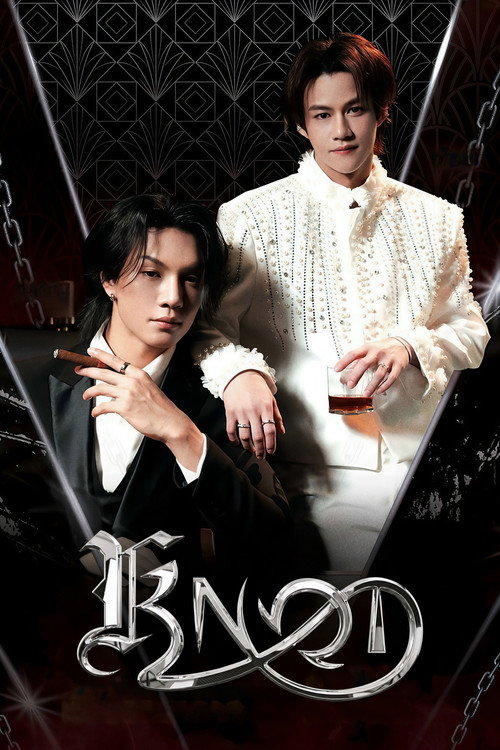
Thai television has long excelled at blending intimate character drama with speculative storytelling, and Knot arrives as a compelling example of that tradition. This new series takes the deceptively simple premise of supernatural bonding and expands it into an exploration of destiny, agency, and what it means to have your life irrevocably altered by another person. With a cast anchored by Pasakorn Sanrattana and Yongyut Termtuo, the show navigates the delicate space between action-driven narrative and deeply personal consequence.
At its core, Knot concerns itself with a transformative moment: when an Alpha’s mark changes everything for an ordinary young man. This isn’t a metaphorical shift—the show takes its supernatural elements seriously, grounding them in a world where such bindings carry real weight and real danger. The premise invites comparisons to paranormal romance, but the series appears more interested in the existential dread of losing autonomy than in the typical trappings of the genre. What happens when your future is no longer yours to write? That question sits at the emotional center of the narrative, and it’s a stronger hook than any plot summary can convey.
Performance and Chemistry
The ensemble cast carries this story’s emotional burden effectively. Sanrattana brings vulnerability to his role, playing a character experiencing the collision between his ordinary life and extraordinary circumstance. His performance suggests someone trying to maintain equilibrium on an increasingly tilted plane—there’s a naturalism to his panic, a grounded quality that prevents the supernatural elements from becoming melodramatic. Termtuo, as the Alpha, embodies a different kind of conflict: the power to reshape someone else’s destiny paired, presumably, with the moral complications that accompany such power. Their dynamic forms the gravitational center around which the other performances orbit.
The supporting cast—including Phubeth Atarunwong, Teerawat Tanacom, Waranluck Phonpawiworakun, Jakrin Sangruan, James Uzumaki, and Thanakrid Suteepakornchai—flesh out a world that extends beyond the central pair. In ensemble-driven narratives like this, secondary characters often become the real measure of a show’s commitment to storytelling depth. The presence of established names alongside newer talent suggests a production that’s thinking carefully about pacing, about who knows what and when, about the network of relationships that makes a supernatural threat feel genuinely consequential rather than abstractly threatening.
Thematic Resonance
What makes Knot particularly interesting is its preoccupation with bondage—both literal and figurative. The Alpha’s mark isn’t just a plot device; it’s a metaphor for the ways other people entangle us, for the connections we choose and those imposed upon us. In an era where so many dramas explore agency and choice, this show seems genuinely concerned with what happens when agency is compromised by forces beyond control. That’s not comfortable territory, and the series doesn’t shy away from the discomfort.
The sci-fi and fantasy elements aren’t window dressing here. They’re mechanisms for exploring themes that realistic drama often struggles to address without feeling contrived. What if someone else’s choice could literally bind you to them? What obligations do you have to someone who has literally marked you as theirs? Can love exist in such an imbalanced dynamic, or is it inevitably corrupted by power? These are the questions that lurk beneath the surface action.
Craft and Execution
Thai television productions have developed a distinctive visual language over recent years, and Knot appears to understand that language well. The series balances intimate character moments with larger set pieces, suggesting a production that recognizes where tension lives—not always in explosions, but often in the small gestures and averted looks that suggest unsaid things. The action and adventure elements serve the drama rather than replacing it; they’re expressions of inner conflict made external.
The pacing seems deliberately constructed to resist easy comfort. This isn’t a show that rushes toward resolution; it’s interested in dwelling in the complications of its premise. That approach has risks—it can feel slow to some audiences, can feel indulgent—but it also creates space for character and consequence to feel genuinely weighty. A show that takes time to show us who these people are before catastrophe strikes is a show that makes us care more when the catastrophe comes.
Audience Fit and Verdict
Knot will find its strongest audience among viewers who appreciate supernatural drama that earns its stakes, who are drawn to character-driven stories that use genre elements as a language for emotional truth. This is not primarily an action series for those seeking plot velocity and spectacle. It’s a show for people who want to sit with complicated feelings, who appreciate nuance in how power dynamics are portrayed, who don’t need everything explained or resolved.
The series succeeds most clearly in its commitment to taking its premise seriously. Too many shows about supernatural bondage treat it as melodrama; Knot treats it as the profound violation and connection that it actually is. That’s a choice that requires strong performances and careful writing, and the show appears to have both.
Knot is a series for patient viewers seeking depth. It understands that the most compelling chains are the ones that bind us to other people, and that exploring those bindings—supernatural or otherwise—requires time, nuance, and performers willing to sit in emotional complexity. That’s what this show delivers.