
Review
The Super Mario Galaxy Movie: A Cosmic Adventure That Reaches for the Stars
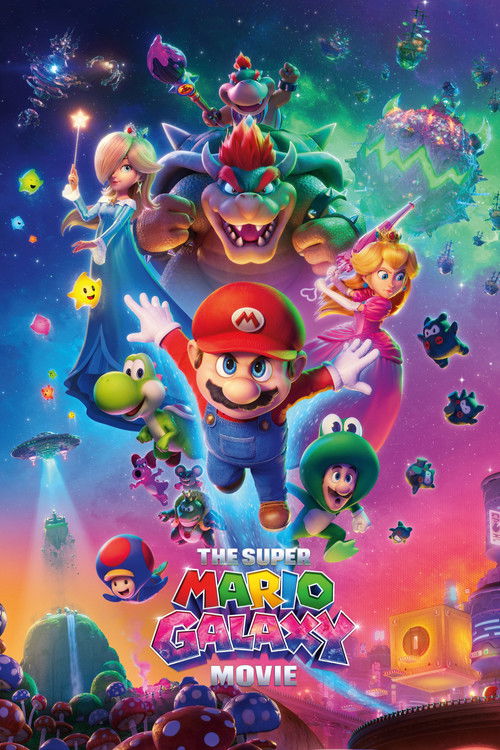
Nintendo’s plumber returns to the big screen in The Super Mario Galaxy Movie, a vibrant animated sequel that trades the Mushroom Kingdom’s familiar pipes and castles for the infinite expanse of outer space. Where the first film established Mario’s cinematic identity with broad humor and nostalgic charm, this follow-up ventures further into the Nintendo universe—literally and figuratively—by introducing Bowser Jr. as the central antagonist and expanding the scope to match the ambition of its source material.
A Fresh Conflict with Familiar Stakes
The plot hinges on a clever reversal of expectations. Rather than facing Bowser directly, Mario and Luigi confront his son’s mission to free his father from captivity and restore the family legacy. This generational shift provides thematic depth that elevates the narrative beyond simple hero-versus-villain mechanics. Bowser Jr.’s determination to save his parent taps into something universal—familial obligation, misplaced loyalty, and the question of whether inherited conflict must define a character’s future. The screenplay doesn’t shy away from suggesting that Jr. might not be entirely wrong about his motivations, even as his methods prove destructive.
The introduction of companions “new and old” keeps the adventure feeling dynamic. Familiar faces return while newcomers bring fresh energy to the ensemble, creating layers of camaraderie and witty banter that anchor the cosmic-scale spectacle in genuine character relationships.
A Stellar Voice Cast Elevates the Material
Chris Pratt anchors the film as Mario, bringing warmth and surprising emotional range to a character who could easily remain one-dimensional. Anya Taylor-Joy voices Princess Peach with agency and wit, steering clear of the damsel-in-distress tropes that plagued earlier Mario media. Charlie Day’s Luigi remains the heart of the operation—his nervous energy and brotherly devotion provide genuine laughs and touching moments in equal measure.
Jack Black steals scenes as Bowser, infusing the villain with both comedic timing and unexpected pathos. Benny Safdie brings vulnerability to Bowser Jr., making the antagonist sympathetic without undermining his threat. Donald Glover, Brie Larson, and Keegan-Michael Key round out the supporting cast with distinctive voices that avoid the pitfall of interchangeable minor characters. The ensemble approach means no single voice dominates, creating a true ensemble feel that mirrors the cooperative spirit of the Mario franchise itself.
Cosmic Ambition Meets Animated Craft
The film’s most impressive achievement is its visual design. The galaxy setting provides a canvas for stunning animation—floating planetoids with their own gravitational rules, neon-lit cosmic highways, and impossible architectures that defy earthly physics. The animation team balances Nintendo’s iconic aesthetic with cinematic depth, creating worlds that feel both faithful to the games and expansive enough for the big screen.
Action sequences take full advantage of the zero-gravity environment, with chase scenes that wrap around spherical planets and combat that occurs in all directions simultaneously. These moments could have been disorienting, but they’re choreographed with enough clarity that even younger viewers can follow the action. The visual effects never overshadow the story—they serve it, amplifying emotional beats and comedic timing rather than replacing character-driven moments with spectacle for its own sake.
The score complements the visuals effectively, mixing orchestral arrangements with subtle callbacks to the original game themes. The music supports rather than overwhelms, understanding that the voice performances and dialogue deserve space to land.
Themes That Resonate Beyond the Target Audience
Beneath the colorful surface lies a meditation on legacy, redemption, and the possibility of breaking cycles. Mario’s previous victory over Bowser didn’t resolve anything—it only created new conflicts. This acknowledgment that defeating a villain doesn’t automatically resolve the underlying tensions adds sophistication to what could have been a straightforward adventure.
The relationship between Bowser and Bowser Jr. serves as the emotional core. The film suggests that even characters seemingly designed as pure obstacles have inner lives, families, and motivations beyond their role as antagonists. It’s a surprisingly mature observation wrapped in family-friendly packaging.
Family Entertainment That Doesn’t Talk Down
The film never loses sight of its primary audience—children will find immediate joy in the humor, action, and imaginative worlds. Visual gags land consistently, and the pacing ensures attention spans remain engaged. But the script includes enough layered jokes and thematic depth that adult viewers won’t feel stranded in a story designed solely for kids.
The humor balances slapstick with wordplay, never relying on crude jokes or irritating noise-based comedy. Charlie Day’s performance as Luigi proves especially effective at finding comedy in character rather than circumstance.
Minor Gravitational Pulls
The film’s ambitions occasionally exceed its execution. Some secondary characters feel underdeveloped, their arcs resolved too quickly for real investment. A few plot conveniences arise to move the story forward when earned stakes might have served better. The runtime stretches toward its conclusion, and the final act relies on stakes that feel somewhat familiar to the first film’s climax, though the emotional weight differs significantly.
A Worthy Sequel That Ventures Further
The Super Mario Galaxy Movie proves that video game adaptations benefit from genuine investment in character, theme, and craft. It’s not content merely to remake what came before—it expands the universe, complicates the conflict, and suggests that even in a franchise built on repeating patterns, change and growth remain possible.
For families seeking entertainment that respects both children’s and adults’ intelligence, this cosmic adventure delivers. It’s a film that understands why the Mario universe endures: not because of repetition, but because these characters and worlds offer infinite room for reinvention.
Verdict: A vibrant, ambitious sequel that honors its source material while forging its own path through the stars.