
Review
Mortal Kombat II: A Visceral Tournament of Ego and Survival
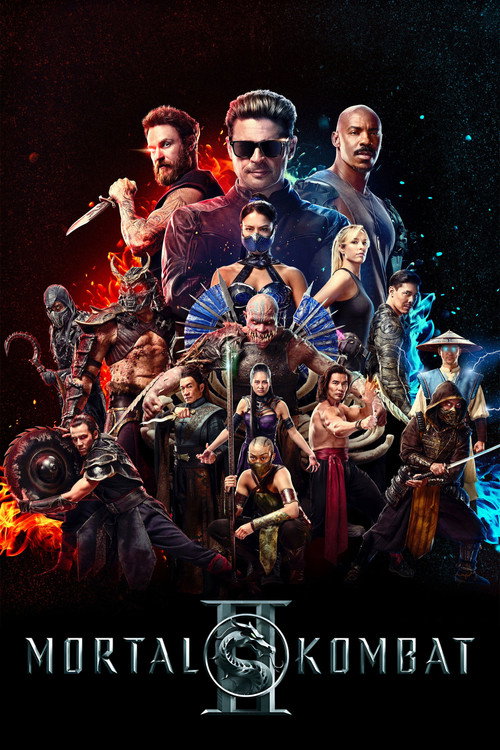
The original “Mortal Kombat” reboot proved that the beloved fighting game franchise could translate into cinema with genuine stakes and practical brutality. “Mortal Kombat II” doubles down on that promise, stepping boldly into the tournament itself while introducing the series’ most charismatic wildcard: Johnny Cage. The result is a sequel that understands what made the first film work—earnest commitment to the source material, no-apologies gore, and character-driven conflict—while expanding the scope and raising the emotional temperature considerably.
The central conflict pits Earth’s champions against each other in a crucible that feels less like manufactured spectacle and more like existential necessity. When Shao Kahn’s dark rule looms over the Earthrealm, the usual rules of alliance collapse. Former allies become competitors. Trust becomes a liability. This setup strips away the need for elaborate justifications; in a world where interdimensional tyranny threatens existence itself, internal conflict among defenders carries weight rather than feeling like narrative filler. The film leans into this tension masterfully, letting character relationships fracture under pressure rather than resolving conflicts through convenient dialogue scenes.
A Cast in Lockstep
Karl Urban brings a weathered intensity to his role that anchors the ensemble. He carries the burden of experience—the weight of knowing what’s at stake—with a physical presence that grounds the more fantastical elements. Adeline Rudolph commands scenes with controlled fury, her performance suggesting both technical mastery and emotional depth. Ludi Lin and Jessica McNamee, returning from the first film, have clearly deepened their understanding of their characters, moving beyond introduction into genuine complexity. Lewis Tan emerges as an unexpected emotional core, bringing vulnerability alongside martial prowess. Even Josh Lawson’s comedic presence—essential for tonal balance in a film this violent—never tips into mockery of the material.
Mehcad Brooks and Martyn Ford round out a cast that feels genuinely invested in the material rather than showing up for a paycheck. Ford’s physical presence is weaponized effectively; he’s not just large, he’s intimidating in ways that benefit from practical cinematography. The ensemble works because no single character dominates—everyone gets moments of consequence, moments of failure, moments that matter.
The Grammar of Combat
Where “Mortal Kombat II” truly distinguishes itself is in how it films violence. The action sequences avoid the trap of incomprehensible quick-cutting; cinematography prioritizes spatial clarity and consequence. You understand the geometry of each fight, the stakes of each exchange. The brutality serves narrative purpose—this isn’t violence for its own sake, but rather violence as the language these characters speak most fluently. A fighter’s method of combat reveals character: efficiency, showmanship, desperation, control. The film understands this language and refuses to look away.
The practical effects work deserves particular praise. In an era of digitally smoothed action, there’s something genuinely refreshing about seeing tangible impacts, real stunt work, and effects that have weight and texture. This directorial choice makes the violence feel dangerous rather than choreographed, immediate rather than edited.
Thematic Resonance
Beneath the tournament structure lies a more sophisticated meditation on sacrifice and self-interest. Each character must confront whether protecting the Earthrealm means sacrificing personal ambition, relationships, or even survival. The film doesn’t offer easy answers. Some characters prioritize duty; others prioritize those they love. The conflict between these impulses generates genuine dramatic tension that extends beyond fight choreography.
There’s also an exploration of legacy and mentorship running through the narrative. The introduction of Johnny Cage brings a disruptive energy—he hasn’t earned his place through years of discipline, he brings celebrity and arrogance alongside raw talent. How the established champions respond to this outsider, how they either help him or resent him, adds interpersonal texture that elevates the material beyond “champions fight invaders.”
Pacing and Structure
The film’s structure resists the temptation to frontload exposition. It trusts that audiences familiar with the source material understand the basic framework, and it trusts newer viewers to catch up through action and dialogue. This confidence serves it well—the film moves with purpose, spending time on character moments without feeling like it’s stalling between fights.
The tournament structure provides natural escalation. Early conflicts feel smaller in scope; later battles carry the weight of accumulated consequences. This structure also allows the film to explore different character pairings and dynamics rather than repeating the same alliances repeatedly.
Where It Stumbles
If there’s a weakness, it’s that the Shao Kahn threat, while present, sometimes feels distant compared to the immediate interpersonal conflicts. The film’s heart lies in watching these characters clash with each other; the larger cosmological stakes, while narratively important, occasionally recede. Some viewers may want more development of the villain’s ideology or presence. The film prioritizes character conflict over mythological depth, which is a choice rather than a failure, but it’s worth noting.
Final Verdict
For action enthusiasts, “Mortal Kombat II” delivers exactly what the title promises: visceral, consequential combat between compelling characters. For fans of the franchise, it respects the source material while taking genuine creative risks. For viewers seeking blockbuster entertainment with real craft behind the camera and commitment from the cast, it’s a welcome reminder that action cinema can be both intelligent and thrilling.
This is a sequel that understands what worked, refuses to repeat it slavishly, and pushes toward something more ambitious. It won’t appeal to those seeking lightness or irony, but for viewers willing to meet it on its own terms, “Mortal Kombat II” is a rare action film: one that trusts its audience and earns that trust.